
I-710 Utility Relocation Study - Central Segment
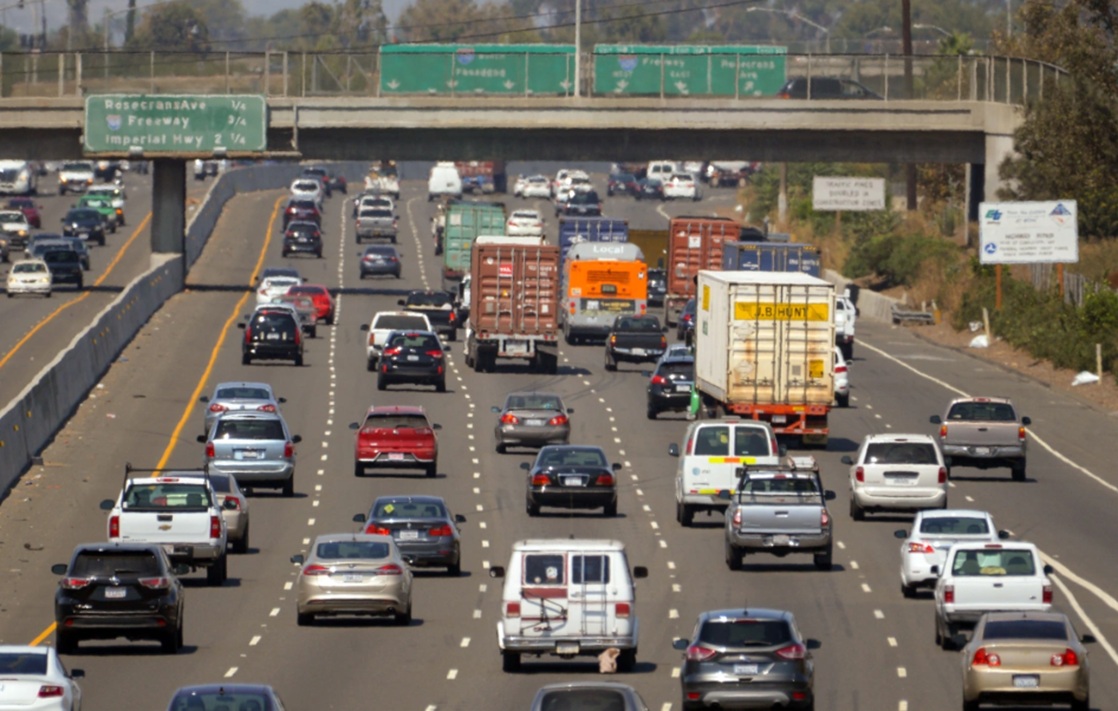
Utility relocation study for the central I-710 Corridor to support the EIR/EIS, evaluating impacts to 700+ utilities & developing strategies to support phased freeway & freight corridor improvements.
Details
Description
Mark Thomas prepared a utility relocation study along the central segment of the I-710 Corridor, between the interchange with I-405 and the Los Angeles River, a distance of approximately 8 miles. The findings from the study support the environmental impact report/environmental impact statement (EIR/EIS) completed by others to evaluate alternatives to improve 18 miles of I-710. The selected alternative includes mainline improvements, such as adding lanes and interchange reconfigurations. The study includes preliminary engineering to evaluate options to stage the construction of the improvements in order to potentially attract private investment to this $5 billion project. Technical studies for the utility relocation and freight corridor structural and automation/ITS components of this segment were also evaluated.
Over 700 utility facilities with over 40 different owners could be impacted by the various alternatives. As a result, extensive coordination was required for the preparation of the utility relocation plans. We coordinated with other agencies, projects, and utility companies to ensure approaches were consistently applied. Utility relocation in this central segment would impact underground major gas, oil, sewer, communication, and water lines, and most significantly, the relocation of Southern California Edison’s 220 kv transmission corridor and 66 kv lines.